
G24|0vßß: Exploring the Hidden World of Underground Science
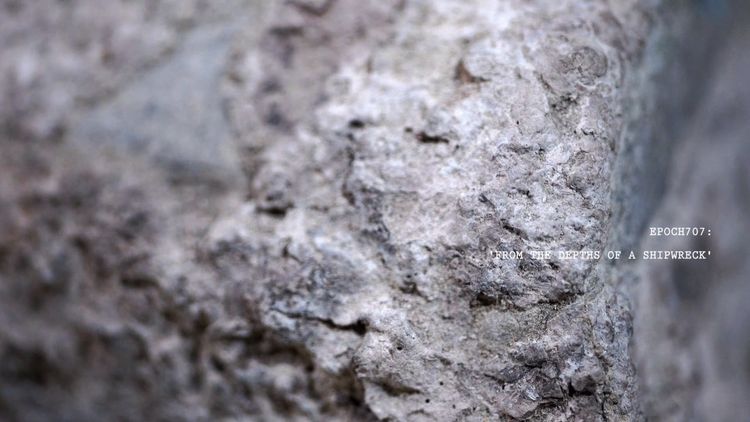
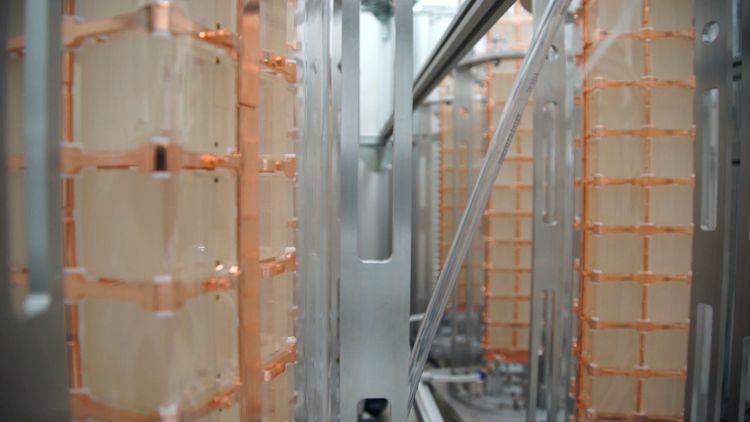
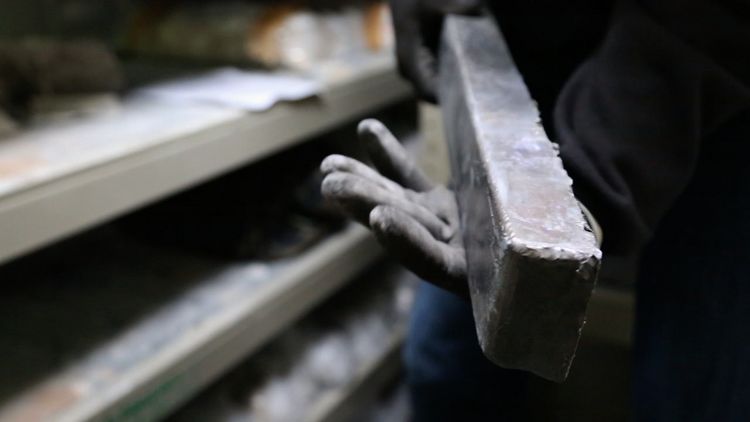
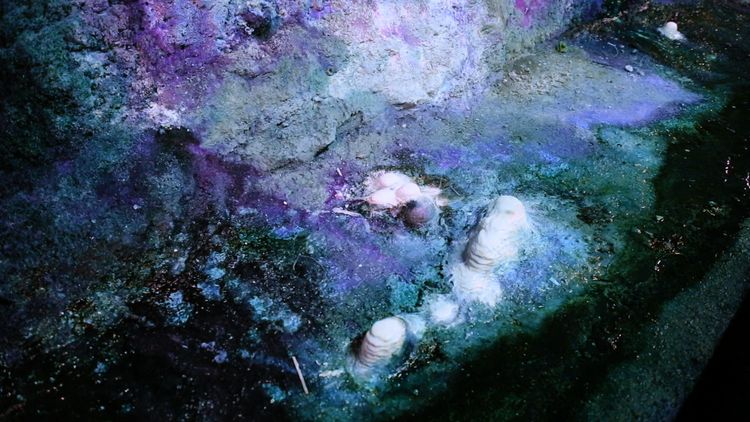
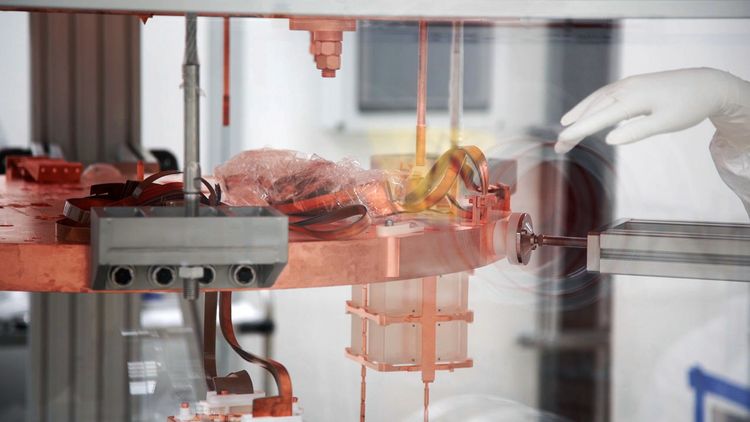
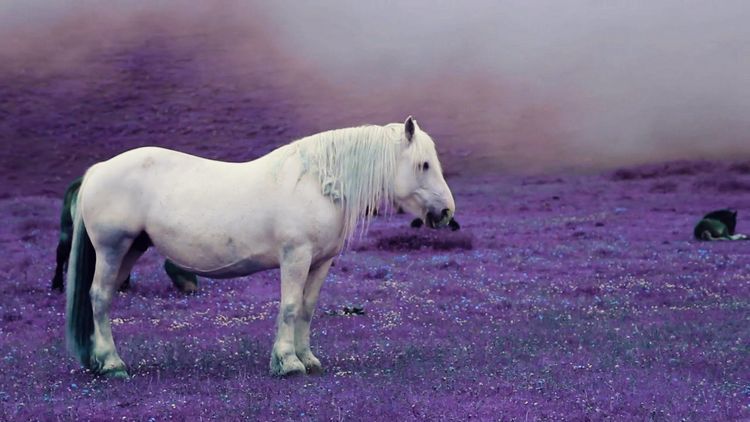
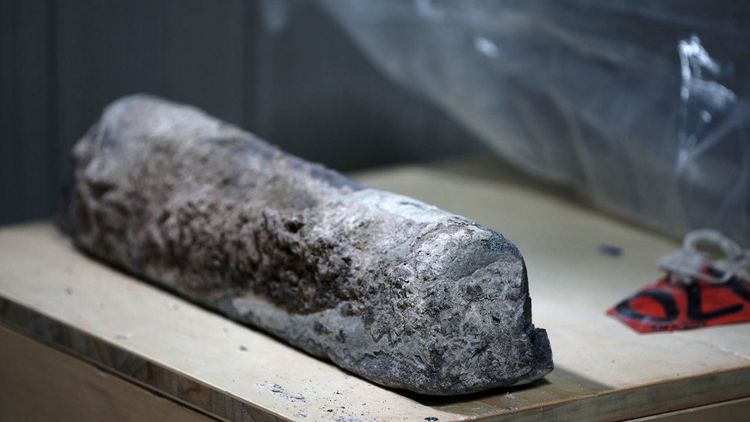
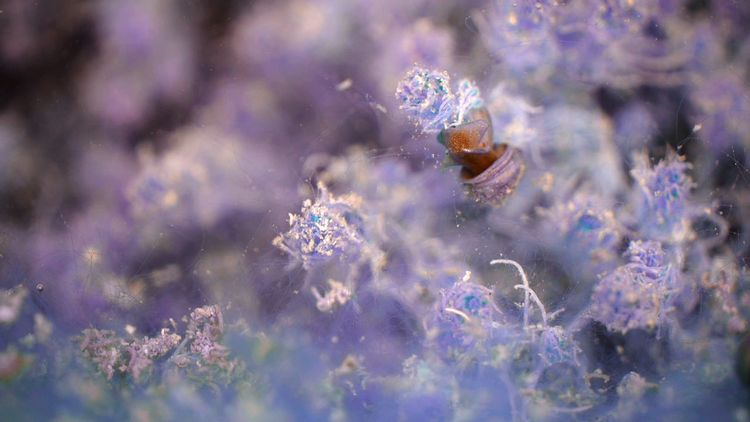
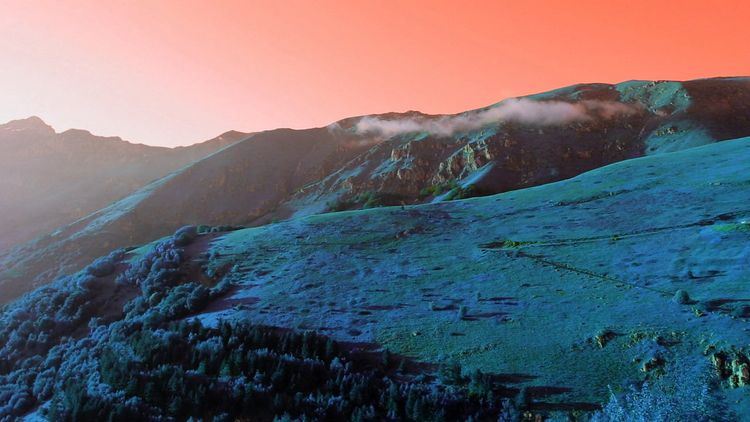
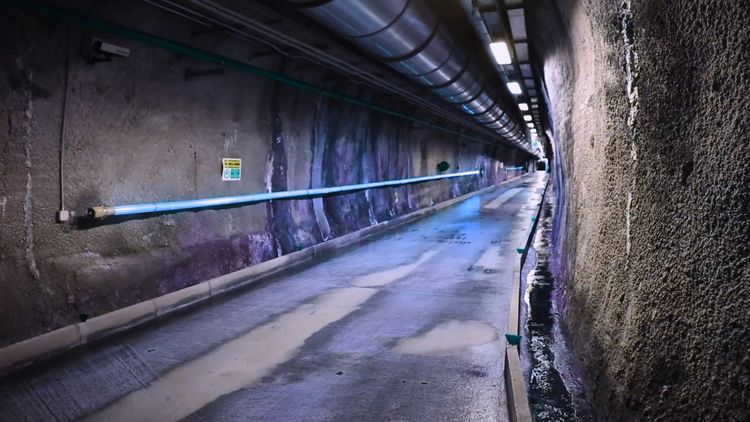
Stills from G24|0vßß (2016) by Jol Thomson. Courtesy of the artist and the MERU Art*Science Award.
In 2016, artist and researcher Jol Thoms was awarded the MERU Art*Science Award, which enabled him to spend a week at the Laboratori Nazionali del Gran Sasso (LNGS) in Italy. There he documented the Cryogenic Underground Observatory of Rare Events (CUORE), one of the world's most sensitive experiments searching for neutrinoless double-beta decay, a process whose discovery would fundamentally advance our understanding of the nature of neutrinos and the origin of matter in the Universe.
Combining footage from the underground laboratory with images of the surrounding landscape of the Gran Sasso massif, Thoms developed the audio-visual work G24|0vßß. The film explores the intersections of science, technology, history, and human intervention in nature, weaving together references to both scientific and artistic traditions. Its title alludes to “G24”, one of Enrico Fermi's early codenames during the development of the first nuclear reactor, Chicago Pile-1, while the work itself employs a complex network of symbolic and historical references that invite multiple interpretations.
Art and Particle Physics at Haus der Kunst
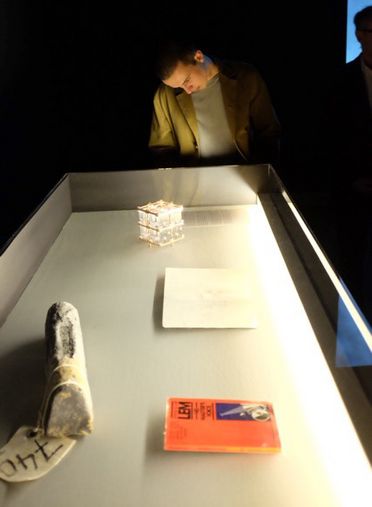
In 2018, G24|0vßß was selected for the major group exhibition “Blind Faith: Between the Visceral and Cognitive in Contemporary Art” at the Haus der Kunst in Munich. To complement the presentation of the film, original objects associated with the CUORE experiment were exhibited alongside the installation.
Through the efforts of Prof. Stefan Schönert (TUM), a detector component from CUORE and a sample of ancient Roman lead were brought from the Gran Sasso underground laboratory to Munich and displayed in a showcase next to the video projection.
The Roman lead, valued for its exceptionally low intrinsic radioactivity, forms part of CUORE's ultra-pure shielding system and also features in the film itself.
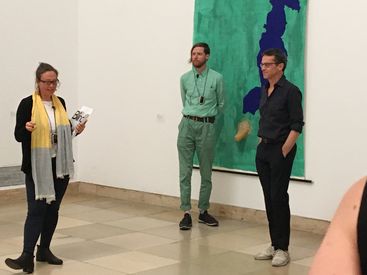
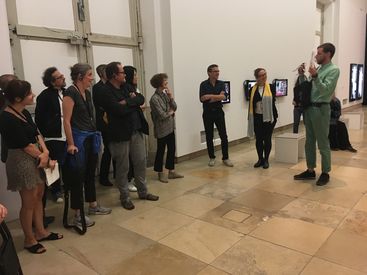
As part of the exhibition programme, Jol Thoms and Stefan Schönert participated in a public Walk & Talk event at Haus der Kunst in July 2018. Their conversation explored both the scientific questions addressed by neutrinoless double-beta decay experiments and the artistic ideas underlying G24|0vßß.
While Stefan Schönert discussed the role of these experiments in understanding the observed imbalance between matter and antimatter in the Universe, Thoms introduced audiences to the historical, philosophical, and aesthetic references embedded in his work.
From Haus der Kunst to Long-Term Art–Science Collaboration
The encounter between Jol Thoms and members of SFB 1258 during an expedition to Lake Baikal marked the beginning of a fruitful and ongoing collaboration between the artist and the Collaborative Research Centre. Since then, Thoms has contributed to numerous initiatives at the interface of art and physics. In particular, he has acted as mentor, advisor, and creative catalyst for collaborative projects involving physics students from SFB 1258 and art students from the Academy of Fine Arts Munich (AdBK). Several of these activities emerged within the framework of the interdisciplinary initiative SFB42, which fostered dialogue between contemporary artistic practice and fundamental scientific research.
"Blind faith": Group exhibition at Haus der Kunst
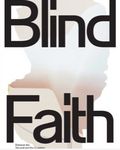
“Blind faith: Between the Visceral and the Cognitive in Contemporary Art”, presented at Haus der Kunst in Munich from March to August 2018, brought together 25 international artists whose works explored questions of truth, authenticity, opinion, and belief in contemporary society. The exhibition examined the notion that trust in facts is increasingly being replaced by forms of ‘blind faith’. An exhibition catalogue accompanied the show.